Architectural wonders The unseen influences of casino design on player experience
The Psychology of Casino Architecture
Casino design is not just about aesthetics; it is deeply rooted in psychological principles that affect how players experience the space. From the layout to the colors used, every element is carefully crafted to engage visitors and keep them inside for longer periods. Bright lights and vibrant colors stimulate excitement and a sense of urgency, while softer tones in lounges create a relaxing atmosphere for breaks. This is particularly important as many players also seek out new crypto casinos for a modern take on traditional designs.
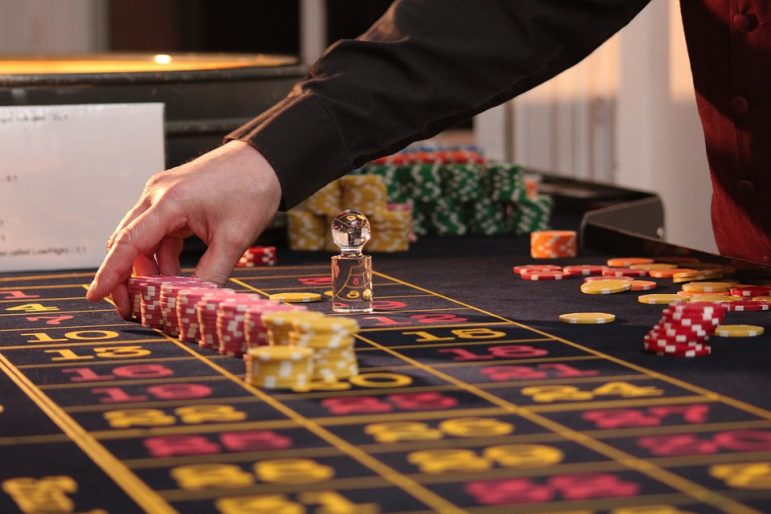
Furthermore, the strategic placement of games and amenities guides player behavior. By positioning high-stakes tables near entrances or popular slots, casinos encourage players to try their luck. This design strategy not only enhances player engagement but also maximizes the potential for increased spending, showcasing the unseen influence of architecture on player experience.
The Flow of Space: Navigating the Casino Floor
The flow of space within a casino is meticulously planned to create an immersive environment. Designers often utilize an open-concept layout that allows for easy navigation, ensuring that players can effortlessly transition from one game to another. This seamless flow minimizes the chances of players feeling overwhelmed or lost, promoting a more enjoyable experience. The concept of flow is vital in both online and offline settings.
Moreover, the absence of windows or clocks contributes to a sense of timelessness, allowing players to lose track of time. This intentional design choice encourages longer play sessions and helps casinos maintain a vibrant atmosphere where players are fully immersed in the experience.
Aesthetic Appeal and Thematic Design
The thematic design of casinos plays a crucial role in creating an unforgettable experience for players. Many casinos draw inspiration from various cultures, historical events, or fantastical themes, transporting visitors to another world. This thematic immersion enhances player engagement, as they become part of a narrative that goes beyond merely gambling.
For example, a casino designed with an ancient Egyptian theme might incorporate hieroglyphics, pyramids, and desert landscapes. Such design elements not only captivate players but also evoke a sense of adventure, making the gambling experience more enriching and enjoyable. This aesthetic appeal is a powerful tool that can influence player emotions and decisions.
Soundscapes and Lighting: Enhancing the Experience
Sound and lighting are two critical components of casino design that significantly impact player experience. The sounds of slot machines, the soft chatter of fellow gamblers, and the occasional cheers from table games create a vibrant soundscape that fosters excitement. This auditory environment is purposely curated to keep players engaged and boost their enthusiasm.
In conjunction with sound, lighting plays a pivotal role in setting the mood. Bright, flashing lights attract attention and create a sense of thrill, while softer lighting in lounge areas promotes relaxation. By harmonizing these elements, casinos create a multi-sensory experience that is both exhilarating and comfortable for players.
Conclusion: The Role of Architectural Design in Gambling
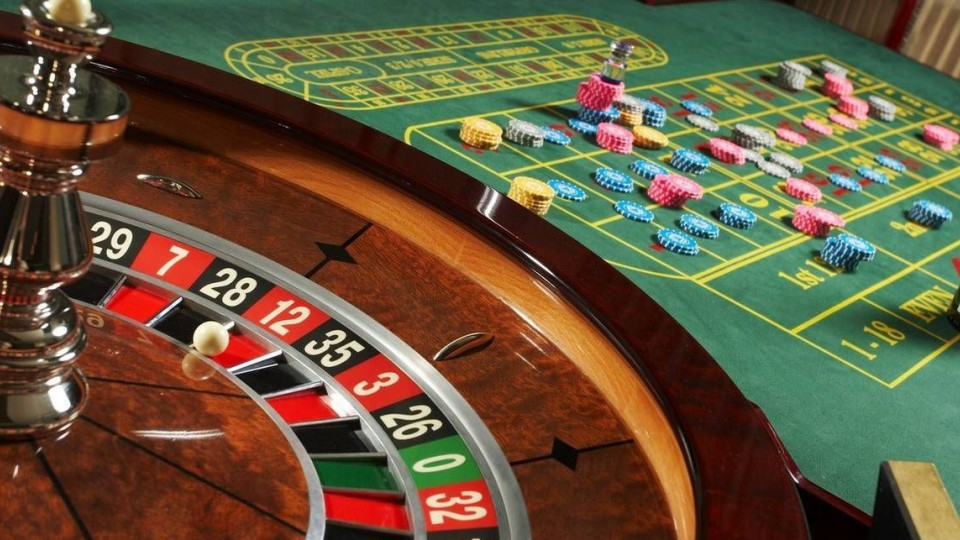
As seen, the architectural design of casinos is intricately linked to the player experience, influencing everything from behavior to emotional engagement. Every design decision, whether it pertains to layout, aesthetics, or sound, plays a vital role in creating an immersive environment that captivates players. Understanding these influences can enhance our appreciation of these architectural wonders.
While the focus here has been on offline casino experiences, the principles of design can also apply to online platforms. As technology evolves, the design of virtual casinos aims to replicate the immersive qualities of physical spaces, further blurring the lines between online and offline gambling experiences. This interplay of design and experience continues to shape the future of gambling as we know it.